
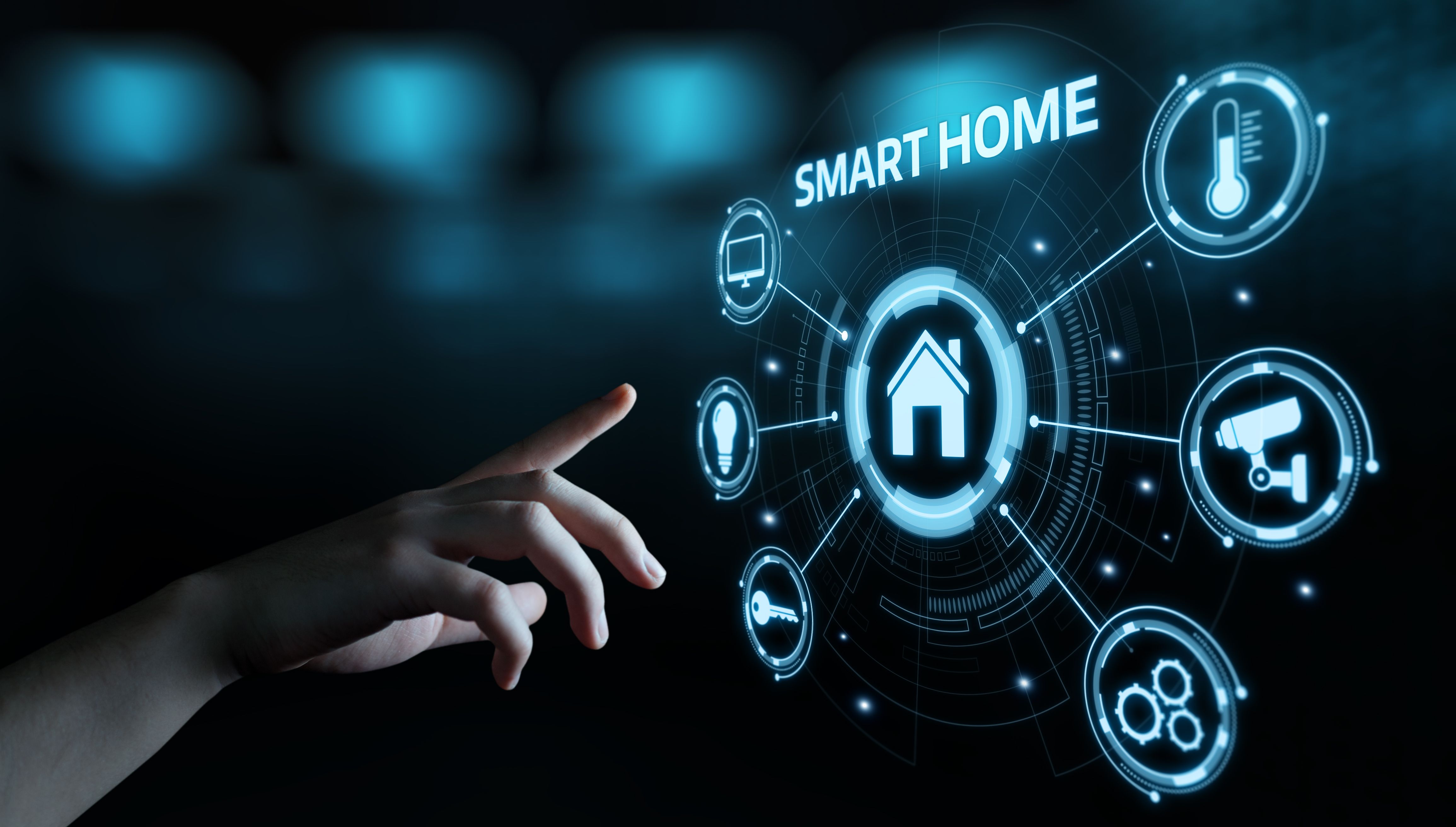
A Smart Home in 2026 is more than just a collection of connected devices—it is a well-planned ecosystem that enhances convenience, safety, energy efficiency, and overall quality of life. Whether you are a new user just beginning your smart home journey or an experienced homeowner looking to upgrade and expand your system, proper planning is essential to maximize benefits and ensure seamless integration. A strategic approach allows homeowners to invest wisely, optimize functionality, and create a connected home that adapts to evolving needs.
Understanding Smart Home Planning
Smart home planning involves assessing household needs, selecting compatible devices, designing automation routines, and ensuring long-term scalability. Careful planning ensures that technology enhances everyday life rather than complicating it.
The Importance of a Smart Home Plan
Without a clear plan, homeowners risk purchasing incompatible devices, creating overlapping functionalities, or missing opportunities for energy savings and safety enhancements. Planning ensures:
- Cohesive device integration
- Efficient automation and routines
- Cost-effective investment
- Enhanced security and energy management
Goals for Smart Home Planning
The primary goals of planning a smart home are:
- Improving safety and security
- Increasing convenience through automation
- Enhancing energy efficiency and cost savings
- Supporting lifestyle and wellness needs
- Future-proofing the home for new technology
Assessing Household Needs
Before purchasing smart home devices, it is critical to assess the specific needs of your household.
Security Requirements
Determine the level of protection required, considering:
- Entry points such as doors and windows
- Indoor and outdoor monitoring areas
- Environmental hazards like smoke, carbon monoxide, or water leaks
This assessment helps identify the types of cameras, sensors, and alarms necessary for comprehensive security.
Lifestyle and Convenience
Consider daily routines and lifestyle requirements:
- Do you want automated lighting or climate control?
- Are smart entertainment systems important for your household?
- Will remote access and mobile control improve convenience?
Understanding your lifestyle ensures the smart home addresses practical needs and enhances comfort.
Energy Efficiency Goals
Identify areas where energy savings are possible, including:
- Heating, ventilation, and cooling systems
- Lighting and appliance usage
- Water and resource management
Smart devices can reduce energy consumption and optimize resource use when targeted correctly.
Health and Wellness Considerations
Evaluate how a smart home can support wellness:
- Indoor air quality monitoring
- Sleep optimization and lighting adjustments
- Fitness and activity tracking integration
This ensures the home contributes to a healthier living environment.
Selecting Smart Home Devices
Choosing the right devices is crucial for creating a functional and integrated smart home.
Security Devices
Essential security devices include:
- Smart cameras with indoor and outdoor coverage
- Smart locks with remote access and activity tracking
- Motion sensors and environmental detectors
- Integrated alarms with notification capabilities
These devices can be selected based on household risk areas and desired level of automation.
Climate and Environmental Devices
For comfort and efficiency, consider:
- Smart thermostats with learning capabilities
- Air purifiers and environmental sensors
- Smart fans and ventilation control
- Water leak detectors and humidity monitors
Lighting and Power Management
Energy-efficient smart lighting and power management devices include:
- Smart bulbs with dimming and color adjustment
- Motion-activated lights
- Smart plugs and energy monitoring systems
- Centralized control hubs for coordination
Entertainment and Lifestyle Devices
Enhance lifestyle through entertainment-focused upgrades:
- Multi-room audio systems
- Smart TVs and media streaming devices
- Automated blinds and window treatments
- Personalized automation routines for convenience
Health and Wellness Devices
Devices that support well-being include:
- Sleep optimization systems
- Air quality monitors
- Fitness tracking integration
- Smart kitchen appliances for healthy living
Integration and Automation
Integration is key to maximizing the efficiency, safety, and convenience of a smart home.
Centralized Control Hubs
A central hub enables unified management of all smart devices, providing:
- Simplified monitoring and control
- Coordinated automation between devices
- Real-time notifications and alerts
- Scalable expansion for future upgrades
Automation Routines
Automation allows devices to act based on time, occupancy, or events. Examples include:
- “Good Morning” routine: lights, temperature, coffee, and media start automatically
- “Away Mode”: locks doors, arms alarms, and turns off unnecessary devices
- Event-triggered responses: motion detection triggers lights, cameras, and notifications
Remote Access
Mobile apps and voice assistants provide control from anywhere, enabling:
- Remote monitoring and device management
- Instant notifications for security or environmental alerts
- Adjustment of settings while away from home
Personalized Automation
Smart home systems can learn routines and adapt to preferences, ensuring devices work proactively rather than reactively.
Planning for Scalability and Future Growth
Smart homes should be designed with long-term growth in mind to accommodate new technologies and changing household needs.
Modular Device Selection
Choose devices compatible with common platforms and protocols to allow easy integration of future devices.
Network Considerations
Ensure your home network can handle multiple connected devices simultaneously, including high-bandwidth cameras and streaming services.
Regular Updates and Maintenance
Firmware updates and device maintenance ensure functionality, security, and compatibility with new smart home technologies.
Expansion Strategies
Plan for the addition of devices over time, such as extra cameras, sensors, smart appliances, or renewable energy integrations.
Common Mistakes to Avoid
Even experienced users can make errors that reduce the effectiveness of smart home systems.
Buying Incompatible Devices
Purchasing devices that do not work together can create frustration and inefficiency. Always check platform compatibility and integration capabilities.
Overcomplicating Automation
Too many automated routines can overwhelm users and generate unnecessary alerts. Focus on essential, high-impact automation first.
Ignoring Security and Privacy
Smart homes are connected ecosystems, and cybersecurity should be a priority. Use strong passwords, two-factor authentication, and secure networks.
Neglecting Maintenance
Failing to update firmware or test devices can lead to performance issues, missed alerts, or security vulnerabilities.
Benefits of a Well-Planned Smart Home
Proper planning delivers tangible advantages for homeowners.
Enhanced Safety and Security
Integrated cameras, locks, and sensors protect against intrusions, environmental hazards, and emergencies, providing peace of mind.
Energy Efficiency and Cost Savings
Smart climate control, lighting, and appliance management reduce energy usage and utility bills while supporting sustainable living.
Convenience and Comfort
Automation routines and centralized control simplify daily tasks, creating a seamless living environment that adapts to the household’s lifestyle.
Health and Wellness Support
Smart devices contribute to better air quality, improved sleep, and overall well-being through monitoring and automated adjustments.
Long-Term Flexibility
A well-planned smart home can evolve with technological advancements, ensuring continued relevance and functionality over time.
Increased Property Value
Homes equipped with thoughtfully planned smart technology are more appealing to buyers, offering enhanced convenience, security, and efficiency.
Steps to Implement a Smart Home Plan
Step 1: Assess Needs and Priorities
Identify security, convenience, energy, and wellness goals to determine which devices and systems are most important.
Step 2: Research Compatible Devices
Select devices that work together seamlessly and support integration with existing platforms.
Step 3: Design Automation and Routines
Create essential automation routines that optimize safety, energy efficiency, and convenience.
Step 4: Plan Network and Infrastructure
Ensure the home network can handle device connectivity, bandwidth, and data security requirements.
Step 5: Implement and Test
Install devices systematically, test automation routines, and ensure all systems function as intended.
Step 6: Monitor, Maintain, and Expand
Regularly monitor device performance, update firmware, and expand the system as household needs evolve.
Conclusion
Smart home planning is essential for creating a connected, safe, and efficient living environment. By assessing household needs, selecting compatible devices, designing automation routines, and planning for scalability, homeowners—whether new or experienced—can maximize the benefits of smart technology. Thoughtful planning ensures a smart home that enhances security, saves energy, improves lifestyle, supports wellness, and adapts to future needs. In 2026, investing time and effort into a well-planned smart home delivers long-term convenience, peace of mind, and value. Stay updated and inspired—everything starts at our main site.
FAQs
How should new users start planning their smart home?
New users should begin by assessing household needs, setting goals for security, convenience, and energy efficiency, and selecting a few essential, compatible devices to start building a cohesive system.
Can experienced users expand their existing smart home effectively?
Yes, experienced users can upgrade and expand systems by integrating new devices, optimizing automation routines, enhancing security features, and ensuring compatibility with existing platforms for seamless operation.
What is the most important factor in long-term smart home success?
The most important factor is planning for integration and scalability. Selecting compatible devices, maintaining the system, and designing thoughtful automation routines ensures long-term functionality, security, and adaptability.