Understanding Structural Steel Welding
Definition and Importance of Structural Steel Welding
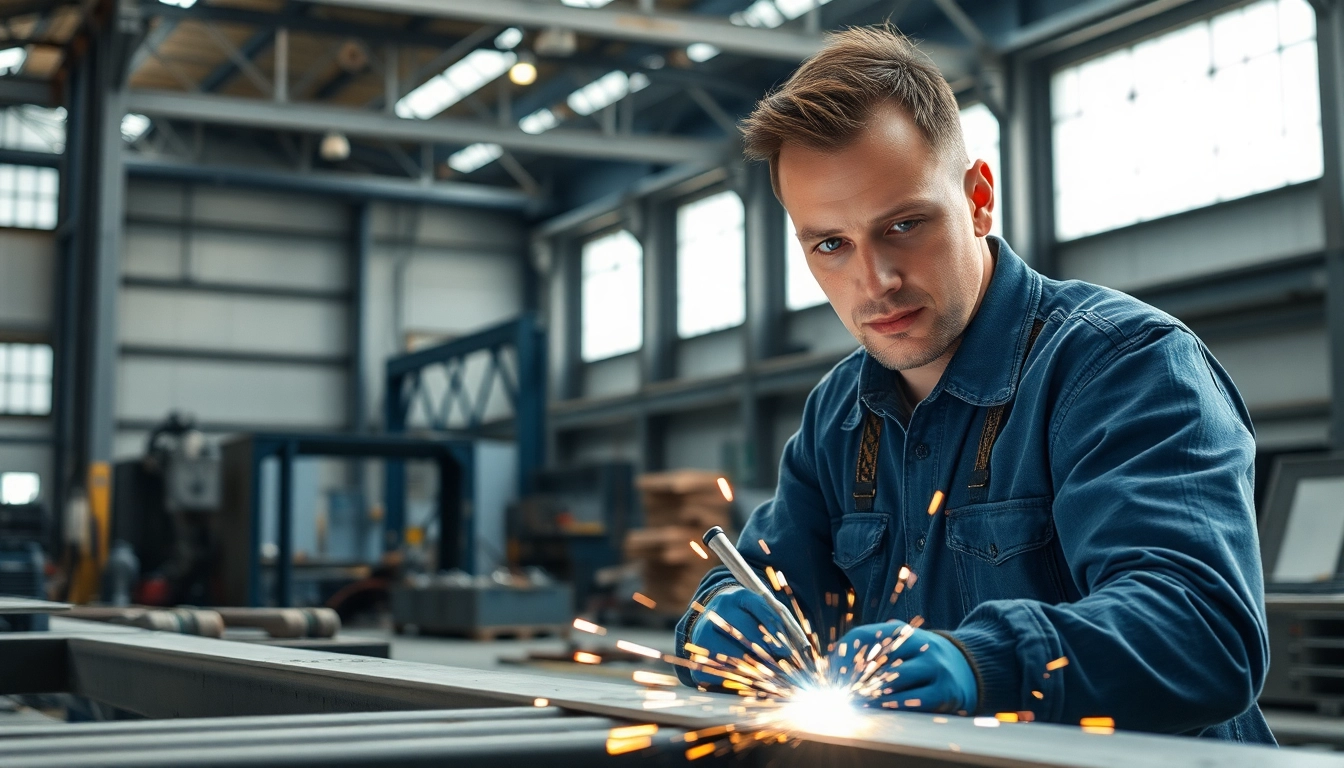
Structural steel welding is the process of joining metal components to form a robust and durable structure through the application of heat. This method is essential in various industries, particularly in construction and manufacturing, as it provides crucial strength and stability to buildings, bridges, and other infrastructures. Understanding the intricacies of structural steel welding is vital for ensuring the integrity of engineered structures.
Common Applications in Heavy Industry
Structural steel welding finds its utility across various domains. Some common applications include:
- Building Construction: High-rise buildings often rely on welded steel frames.
- Bridges: The strength provided by welded structural steel is crucial for bridge integrity.
- Industrial Facilities: Manufacturing plants and warehouses utilize welded steel for durability.
- Heavy Equipment: Many machines and tools include welded steel components for long-lasting functionality.
Key Benefits of Structural Steel Welding
Welding structural steel offers several benefits, including:
- Strength and Durability: Welded joints create strong connections, enhancing the overall strength of the structure.
- Speed of Assembly: Welding allows for quicker construction times compared to traditional bolting.
- Cost-effectiveness: While initial costs may vary, welding often proves economical over a structure's lifetime.
- Versatility: Certain welding methods can be applied to various steel grades and thicknesses.
Essential Tools for Structural Steel Welding
Types of Welding Equipment
To effectively conduct structural steel welding, several types of equipment are necessary:
- MIG Welders: Ideal for various applications due to their fast welding speeds and versatility.
- TIG Welders: Perfect for precision tasks and metals requiring careful handling.
- Stick Welders: Commonly used in outdoor applications and environments with varying weather.
- Plasma Cutters: Useful for cutting and shaping steel before welding."
Protective Gear and Safety Equipment
Safety is paramount in structural steel welding. Essential protective gear includes:
- Welding Helmets: Protects the eyes and skin from harmful UV radiation and sparks.
- Gloves: Heavy-duty gloves are necessary to shield hands from heat and sharp edges.
- Protective Clothing: Flame-resistant clothing minimizes burn risks.
- Respirators: Important for preventing inhalation of harmful fumes and particles.
Maintenance of Tools and Equipment
Regular maintenance of welding equipment is crucial for optimal performance. Key maintenance tasks include:
- Routine Cleaning: Keep machines free of rust and debris.
- Inspections: Regularly inspect cables, hoses, and regulators for damage.
- Calibration: Ensure all equipment is calibrated for precise settings and performance.
Techniques and Best Practices in Structural Steel Welding
Welding Methods Explained
Several welding methods are employed in structural steel applications:
- MIG Welding: Utilizes a continuous wire feed and is ideal for thicker materials.
- TIG Welding: Provides high precision, typically used for thinner materials like stainless steel.
- Arc Welding: A versatile method that uses an electric arc to melt and join steel components.
Preparation and Setup for Optimal Results
Proper preparation is key to successful welding, including:
- Cleaning the Surface: Remove rust, paint, and contaminants from the steel.
- Aligning Pieces: Ensure parts fit snugly in place to prevent gaps during welding.
- Setting Up the Equipment: Adjust settings on the welding machine based on material thickness and position.
Post-Welding Inspection and Quality Control
Quality control is essential for ensuring the longevity and safety of welded structures. Essential inspection processes include:
- Visual Inspections: Check for defects like cracks or inclusions.
- Non-Destructive Testing (NDT): Techniques such as ultrasonic testing or X-ray imaging can detect internal flaws.
- Documentation: Maintaining records of inspections and corrective actions taken fosters consistency and quality.
Challenges in Structural Steel Welding
Common Issues and How to Overcome Them
Welders often face challenges, including:
- Weld Cracking: Can occur due to rapid cooling; mitigating this involves proper preheating and controlled cooling.
- Porosity: Air trapped within welds can weaken them; ensuring proper shielding gas flow can help prevent this.
- Undercuts: Occur when molten metal erodes, which can be avoided by maintaining appropriate torch angles.
Regulatory Standards and Compliance
Structural steel welding is governed by regulations to ensure safety and quality. Key standards include:
- American Welding Society (AWS): Provides standards and certification for welding practices.
- OSHA Regulations: Set forth safety standards to protect welders in their work environment.
Managing Temperature and Welding Distortion
Temperature management is crucial to prevent distortion of the welded material. Techniques to manage this include:
- Controlled Heating: Gradual heating can prevent thermal shock to the material.
- Sequence Welding: Planning the order of welds helps minimize distortion by balancing heat distribution.
Future Trends in Structural Steel Welding
Technological Advancements and Innovations
The future of structural steel welding will likely be shaped by innovations such as:
- Automation: Increasing use of robots to handle welding processes, improving precision and efficiency.
- 3D Printing: Potential for creating custom components quickly and cost-effectively.
- Advanced Materials: Development of new steel alloys and composite materials to enhance performance.
Training and Skill Development in the Industry
As technology evolves, so does the need for skilled welders. Emphasis on:
- Vocational Training Programs: These programs prepare workers for the demands of modern welding jobs.
- Continuing Education: Encouraging welders to stay updated on new methods and standards through workshops and seminars.
Environmental Sustainability in Steel Welding
As industries shift towards sustainability, the following practices are emerging:
- Recycling Steel: Utilizing recycled materials in construction significantly reduces environmental impact.
- Energy-efficient Process: Implementing energy-efficient equipment to decrease overall consumption during welding.
FAQs
What is structural steel welding?
Structural steel welding is a process of joining metal parts or structures through the application of heat, melting the edges, and adding filler material.
What are common techniques used in structural steel welding?
Common techniques include MIG (Metal Inert Gas), TIG (Tungsten Inert Gas), and Stick welding, each suitable for specific applications and materials.
What safety measures should be taken during welding?
Welders should wear protective clothing, including gloves and safety goggles, and ensure proper ventilation to avoid inhaling harmful fumes.
How is the quality of structural steel welding ensured?
Quality is ensured through proper preparation, adherence to welding standards, and post-welding inspections to check for defects.
What future trends are expected in structural steel welding?
Future trends may include more automated welding processes, advancements in technologies like laser welding, and a focus on sustainability.