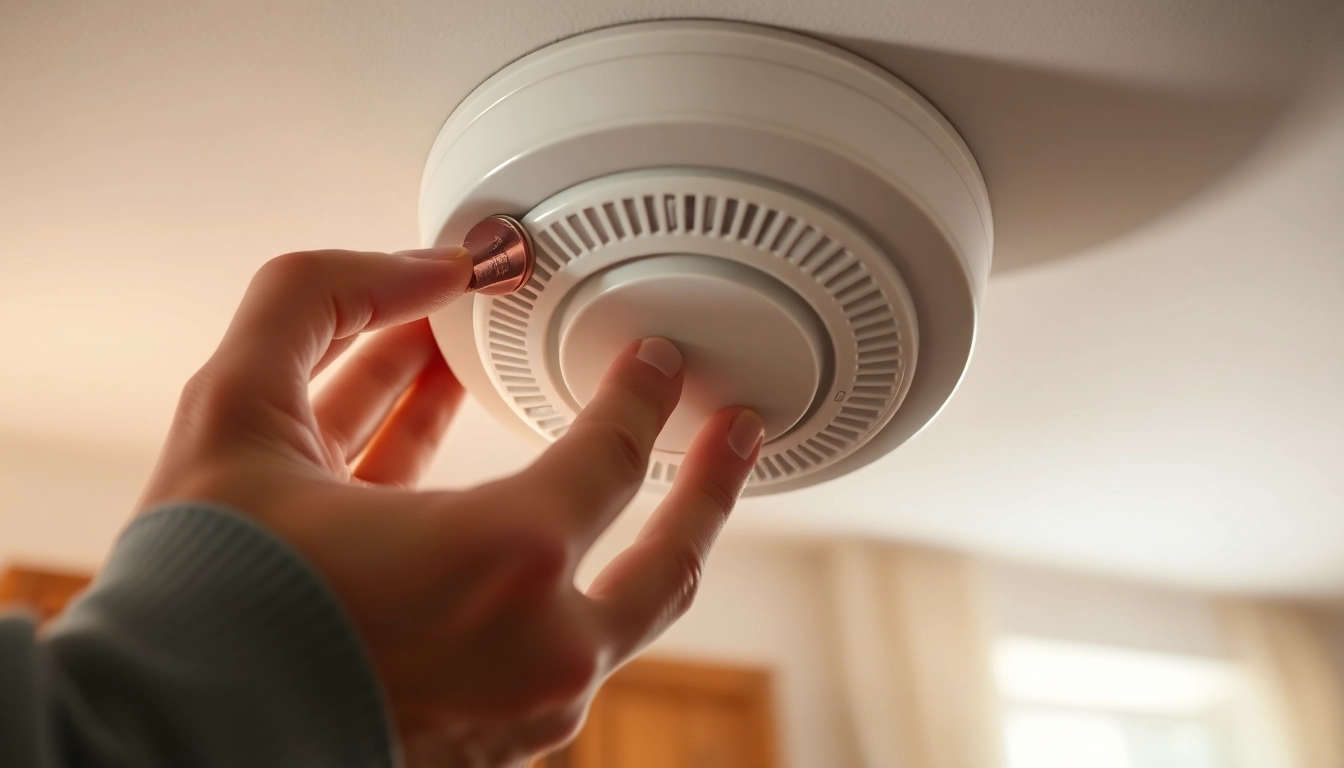
Understanding Smoke Detector Battery Types
Selecting the right smoke detector battery is crucial for ensuring the optimal functionality and reliability of smoke detectors. With various battery types available, understanding their characteristics and specifications can help you make the best choice for your home's safety.
Common Battery Types for Smoke Detectors
Smoke detectors primarily use one of three battery types: alkaline, lithium, or rechargeable batteries. Each type offers different benefits and lifespans, influencing how often you need to replace them.
Alkaline Batteries: The most commonly used batteries, these are typically 9-volt batteries. They offer an average lifespan of 6-12 months and are readily available at most retailers. However, they can leak if left unused for too long, so regular replacement is key.
Lithium Batteries: Typically designed for long-term usage, these batteries can last up to 10 years. Some models come sealed within the smoke detector itself, eliminating the need for replacement. However, they may be more expensive initially compared to alkaline batteries.
Rechargeable Batteries: While less common in standard smoke detectors, some newer models use rechargeable batteries. These require periodic charging but can be cost-effective in the long run.
Choosing the Right Voltage for Your Smoke Detector Battery
Smoke detectors commonly require 9-volt batteries; however, some may operate on 3V or AA/AAA batteries. Always check your smoke detector's user manual to ensure compatibility, as using the incorrect voltage can lead to malfunction.
Lifespan and Replacement Frequency
Understanding the expected lifespan of your smoke detector battery is integral to home safety. Alkaline batteries generally require replacement every 6 to 12 months, while lithium batteries can last up to a decade, reducing the frequency of battery changes. It's recommended to replace your smoke detector battery at least once a year, ideally on a designated date, such as during daylight saving time changes.
How to Maintain Your Smoke Detector Battery
Proper maintenance of your smoke detector battery not only prolongs its lifespan but also enhances safety in your home. Regular testing and attention to signs that indicate battery problems can help prevent dangerous failures.
Regular Testing and Maintenance Tips
To ensure your smoke detector is functioning, test it monthly by pressing the test button. If the alarm doesn't sound or beeps intermittently, it may need a fresh battery. Additionally, clean the unit periodically by vacuuming around the unit to remove dust and debris that can affect its performance.
Signs Your Smoke Detector Battery Needs Replacement
Common signs that your smoke detector battery needs to be replaced include a chirping sound, which usually indicates low battery status, or an illuminated warning light, indicating a malfunction. If the alarm goes off randomly, it may also suggest that the battery is wearing out.
Storing Replacement Batteries Effectively
Store replacement batteries in a cool, dry place away from direct sunlight and moisture. This can help preserve their lifespan until you're ready to install them. It's also beneficial to label storage containers with the battery size and expiration dates for easy management.
Installing Your Smoke Detector Battery
Installing a new smoke detector battery is straightforward, yet it is essential to perform the process correctly to ensure safety.
Step-by-Step Installation Process
- Begin by turning off any power supply to the smoke detector, if applicable.
- Remove the smoke detector from the mount.
- Open the battery compartment, which may require a slight twist or the use of a screwdriver.
- Replace the old battery with a new one, ensuring it is oriented correctly according to the polarity (+/-).
- Close the compartment and reattach the smoke detector to the mounting bracket.
- Test the smoke detector to validate that it is functioning correctly.
Safety Precautions to Consider
When changing your smoke detector battery, take care to avoid using any metal object to pry open the battery compartment, as this could inadvertently short-circuit the unit. Additionally, ensure the area is well-lit and free from distractions to prevent mishaps.
Tools Needed for Installation
Most installations require minimal tools: a flathead or Phillips screwdriver to open the battery compartment, and possibly a ladder if the smoke detector is mounted high. Having a flashlight can also be useful for ensuring you see the area clearly during installation.
Environmental Impact of Smoke Detector Batteries
The disposal and management of batteries can have a significant impact on the environment, making it crucial to handle batteries responsibly.
Safe Disposal Methods for Old Batteries
Old batteries should not be thrown in the regular trash due to the hazardous materials they contain. Instead, look for designated battery disposal centers in your area. Many retailers also offer battery recycling programs that safely handle used batteries.
Recycling Options Available
Recycling options can vary by location, but many communities have hazardous waste facilities that accept used batteries. Some manufacturers and local organizations may also participate in recycling initiatives that encourage safe battery disposal.
Choosing Eco-Friendly Alternatives
When possible, consider investing in smoke detectors that use recyclable or renewable batteries. Some newer technologies also harness solar energy, eliminating the need for traditional batteries altogether, which can significantly reduce waste in the long term.
Frequently Asked Questions about Smoke Detector Battery
What type of smoke detector battery is best?
Lithium batteries are generally considered best due to their long lifespan of up to 10 years. Alkaline batteries are also effective but require more frequent replacements.
How often should I change my smoke detector battery?
Change your smoke detector battery at least once a year, or whenever you hear the chirping sound indicating a low battery.
Why is my smoke detector battery beeping?
A beeping sound often indicates a low battery, requiring immediate replacement. If you've just replaced the battery and it continues to beep, further investigation is needed.
Can I use rechargeable batteries in my smoke detector?
While some models support rechargeable batteries, many smoke detectors are designed for alkaline or lithium batteries. Always consult the user manual.
Are lithium batteries better than alkaline for smoke detectors?
Yes, lithium batteries generally last longer and provide more reliable performance than alkaline batteries, making them a preferable choice for smoke detectors.