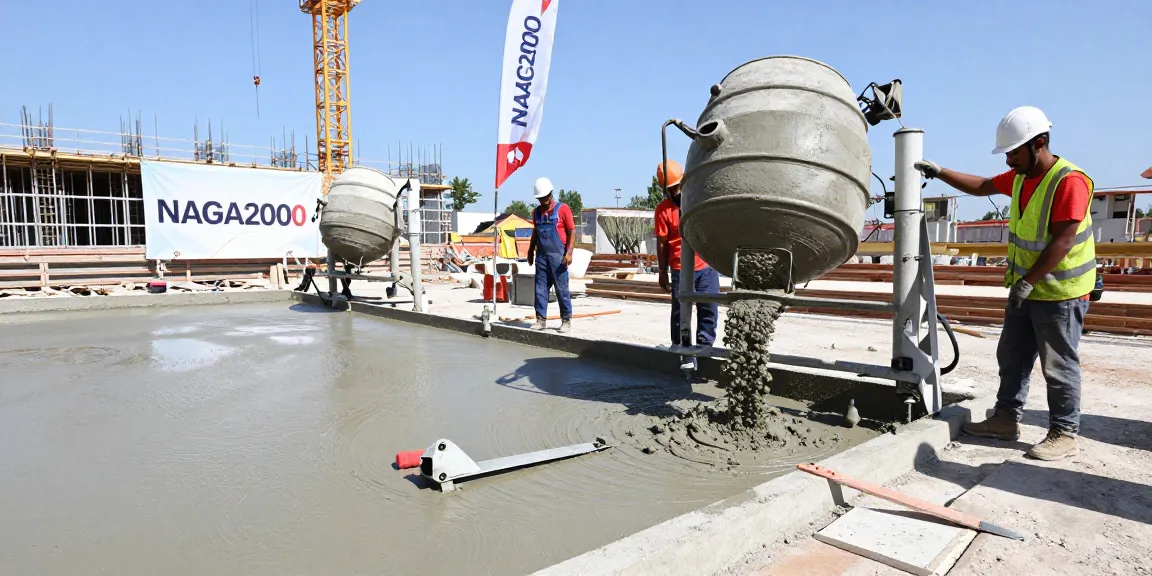
Understanding Construction Safety Training
In the construction industry, ensuring the safety of workers is paramount. Construction sites can be hazardous environments, and without appropriate training, the risk of accidents increases significantly. This is where construction safety training becomes crucial. Effective training not only protects workers but also enhances productivity and fosters a culture of safety within organizations.
Importance of Construction Safety Training
The significance of construction safety training cannot be overstated. Firstly, it plays a vital role in preventing workplace accidents that can lead to serious injuries or fatalities. Accidents often result from lack of knowledge about potential hazards, understanding how to operate equipment safely, or proper use of personal protective equipment (PPE).
Moreover, construction safety training facilitates compliance with governmental and local regulations, providing legal protection for organizations. Through regular training sessions, companies can cultivate a safety-conscious workforce that is vigilant about risks and equipped to manage them effectively. Ultimately, investing in safety training leads to fewer accidents, lower insurance costs, and improved employee morale.
Key Components of Construction Safety Training
Characteristically, an effective construction safety training program comprises several key components:
- Hazard Recognition: Workers must be trained to identify potential hazards specific to their tasks and the work environment.
- Understanding PPE: Training should include comprehensive guidance on the proper use of PPE such as helmets, gloves, and eye protection.
- Safe Equipment Operation: Workers should receive hands-on training on how to operate machinery safely to reduce the risk of accidents.
- Emergency Response Training: Covered topics should include procedures for evacuation, first aid, and responding to accidents effectively.
- Health and Safety Policies: Workers need to understand the regulations and standards set forth by regulatory agencies.
Legal Requirements for Construction Safety Training
Legal obligations regarding construction safety training can vary by region but typically fall under workplace safety regulations. In many jurisdictions, employers are required by law to offer safety training to workers, particularly those exposed to dangerous environments or materials. For example, the Occupational Safety and Health Administration (OSHA) provides guidelines that mandate training for specific activities such as fall protection, scaffold safety, and hazard communication.
Failure to comply with these regulations can result in significant penalties, including fines and increased insurance premiums. Therefore, understanding and adhering to legal requirements is essential for employers in the construction industry.
Best Practices for Implementing Construction Safety Training
Identifying Training Needs Across Teams
Effective training begins with identifying the specific needs of various teams within the construction site. Conducting a needs assessment allows organizations to recognize the unique challenges different roles may face. For instance, a team handling heavy machinery may require more intense training on operational protocols and safety procedures compared to staff working in administrative capacities.
Employers can utilize surveys, interviews, and direct observations to gather data on the training needs of each group. A tailored approach ensures that training sessions are relevant and beneficial, increasing retention and application of safety practices.
Methods of Delivery: Classroom vs. On-Site Training
There are several methods for delivering construction safety training, each with its advantages and disadvantages. Classroom training allows for structured learning settings where instructors can cover comprehensive materials in-depth. This method is beneficial for teaching theory and regulatory information.
On the other hand, on-site training offers hands-on experiences directly in the field where the work will occur. This method offers practical insights and allows workers to apply their training immediately. Mixing both methods often yields the best results, leveraging the strengths of each delivery mode.
Utilizing Technology in Training Methods
Modern technology has revolutionized construction safety training, making it more accessible and engaging. Various tools can be employed to enhance training outcomes, including:
- Online Courses: Workers can access safety training programs from anywhere at their convenience, promoting higher participation rates.
- Virtual Reality (VR): VR can simulate real-life hazardous situations, enabling workers to practice responses in a safe environment.
- Mobile Apps: Apps can provide quick access to safety information, checklists, and reminders, reinforcing safety practices.
Engaging Training Techniques for Construction Workers
Hands-On Training and Simulations
Engagement is key to effective learning. Hands-on training and simulations enable workers to practice skills in a controlled setting, allowing them to experience potential hazards in a safe environment. For example, using mock scenarios and role-playing can facilitate a more profound understanding of emergency procedures and equipment handling.
Employers should ensure that training sessions provide ample opportunity for practice, allowing workers to apply concepts they learn practically.
Incorporating Case Studies in Training Lessons
Real-world examples and case studies serve to contextualize training material, providing relatable scenarios for workers. Incorporating case studies that detail past incidents or successful safety practices can illustrate both the consequences of safety negligence and the benefits of adhering to safety protocols.
Using case studies not only enhances comprehension but also fosters discussion among workers, cultivating a shared commitment to safety.
Encouraging Worker Participation and Feedback
Constructive feedback loops are critical for the continuous improvement of safety training programs. Actively encouraging participation during training sessions, whether through discussions, questions, or sharing experiences, helps to create a collaborative environment for learning.
Feedback after training sessions should also be solicited to identify areas for improvement in both content and delivery. Workers should feel their input is valued, making them more invested in applying what they learn.
Measuring the Effectiveness of Construction Safety Training
Assessing Knowledge Retention and Application
To gauge the effectiveness of construction safety training, organizations must measure knowledge retention and the practicality of skills acquired. Pre- and post-training assessments can help ascertain how much information has been absorbed. Additionally, practical evaluations can demonstrate whether workers can apply their knowledge in real-world settings.
Regular refresher courses can also help sustain knowledge over time, ensuring that workers remain well-versed in safety protocols.
Tracking Incident Reports and Safety Metrics
Tracking incident reports serves as an effective metric for evaluating the success of safety training programs. A decrease in accidents, injuries, and near-misses post-training is a strong indicator that the program is yielding positive results. Additionally, organizations should monitor safety metrics such as compliance rates with safety procedures and PPE usage.
By maintaining detailed records and analyzing data trends, employers can better understand the impact of training on overall workplace safety.
Feedback Loops for Continuous Improvement
Continuous improvement is a hallmark of effective safety training programs. Employers should implement feedback loops that not only gather insights from workers after training sessions but also involve regular evaluations of the training program's content and delivery methods.
Regular reviews of this information can inform updates to training curricula, ensuring they reflect current practices, regulations, and technology.
Frequently Asked Questions about Construction Safety Training
What is construction safety training?
Construction safety training is a program designed to educate workers about hazards associated with construction sites and promote safety protocols to prevent accidents.
Who should participate in construction safety training?
All construction workers, regardless of their roles, should participate in safety training to ensure they understand how to identify risks and use protective measures properly.
How often should training sessions be held?
Training sessions should be held regularly, often annually or bi-annually, and additionally whenever there are changes in equipment or safety regulations.
Are there certifications for construction safety training?
Yes, several organizations offer certifications in construction safety training, validating the knowledge and skills acquired by workers through these programs.
What are the consequences of inadequate safety training?
Inadequate safety training can lead to workplace accidents, injuries, legal penalties, increased insurance costs, and reduced morale among workers.