Understanding Structural Steel Construction
Structural steel construction is a key component of modern architecture, providing the strength and stability needed for various building types. It is characterized by using structural steel, which comprises various carbon-based metals meeting certain ASTM standards. As the construction industry continues to evolve, structural steel construction remains a popular choice among engineers and architects for its resilience, cost-effectiveness, and versatility.
What is Structural Steel?
Structural steel refers to steel sections and plates constructed for building frameworks, bridges, and other structures, allowing loads to be supported effectively. It is typically made from carbon steel with a carbon content that varies from 0.05% to 0.25%. The properties of structural steel make it particularly suited for load-bearing applications due to its high tensile strength and ductility.
Key Benefits of Structural Steel Construction
The advantages of using structural steel construction are numerous:
- Durability: Structural steel structures exhibit an impressive lifespan, often exceeding 50 years with proper maintenance. They are resistant to environmental challenges such as extreme weather and pests.
- Cost-Effectiveness: Due to rapid assembly and prefabrication, labor costs can be significantly lower than conventional construction methods.
- Design Flexibility: The adaptability of structural steel allows for creative designs, enabling architects to create unique and innovative structures.
- Sustainability: Structural steel is recyclable, making it an environmentally friendly option.
- Speed of Construction: The speed of prefabrication coupled with lighter material means quicker on-site assembly.
Common Applications of Structural Steel
Structural steel is utilized across various sectors, including:
- Commercial Buildings: High-rise office buildings and shopping malls rely heavily on structural steel for their frames.
- Infrastructure: Bridges, tunnels, and public transportation systems often use structural steel due to its strength.
- Industrial Buildings: Factories and warehouses benefit from the increased space and strength provided by structural steel.
- Residential Buildings: Steel is increasingly being used in modern homes for durability and aesthetic appeal.
Materials Used in Structural Steel Construction
Types of Structural Steel
Structural steel can come in several grades and shapes based on specific applications:
- Carbon Steel: The most commonly used type, suitable for various constructions.
- Alloy Steel: Contains various alloying elements to enhance strength and resistance to corrosion.
- Stainless Steel: Offers high resistance to rust and is used in exposed structures.
Steel Shapes and Dimensions
Structural steel is fabricated into differing shapes to meet the demands of various engineering configurations. Some common shapes include:
- W-beams: Widely used for beams and columns.
- HSS (Hollow Structural Sections): A versatile choice, utilized for both beams and columns.
- Angle and Channel Sections: Used for frameworks and supports.
Quality Standards for Structural Steel
The quality of structural steel is paramount, governed by standards such as ASTM, ISO, and AISC. Compliance ensures that steel components can withstand expected building loads and environmental stresses.
Techniques in Structural Steel Construction
Design and Planning Stages
Effective structural steel construction begins with thorough design and planning, which includes determining load specifications, design aesthetics, and material choices. Advanced software tools enable enhanced modeling and visualization for engineers, facilitating collaborative efforts in structural design.
Fabrication Methods
Fabrication of structural steel involves several processes that convert raw steel into desired shapes. These methods include:
- CNC Cutting: Allows precision in cutting steel plates and sections.
- Bending: Steel can be bent to form various shapes.
- Welding: Used to connect different components securely.
Assembly and Erection Techniques
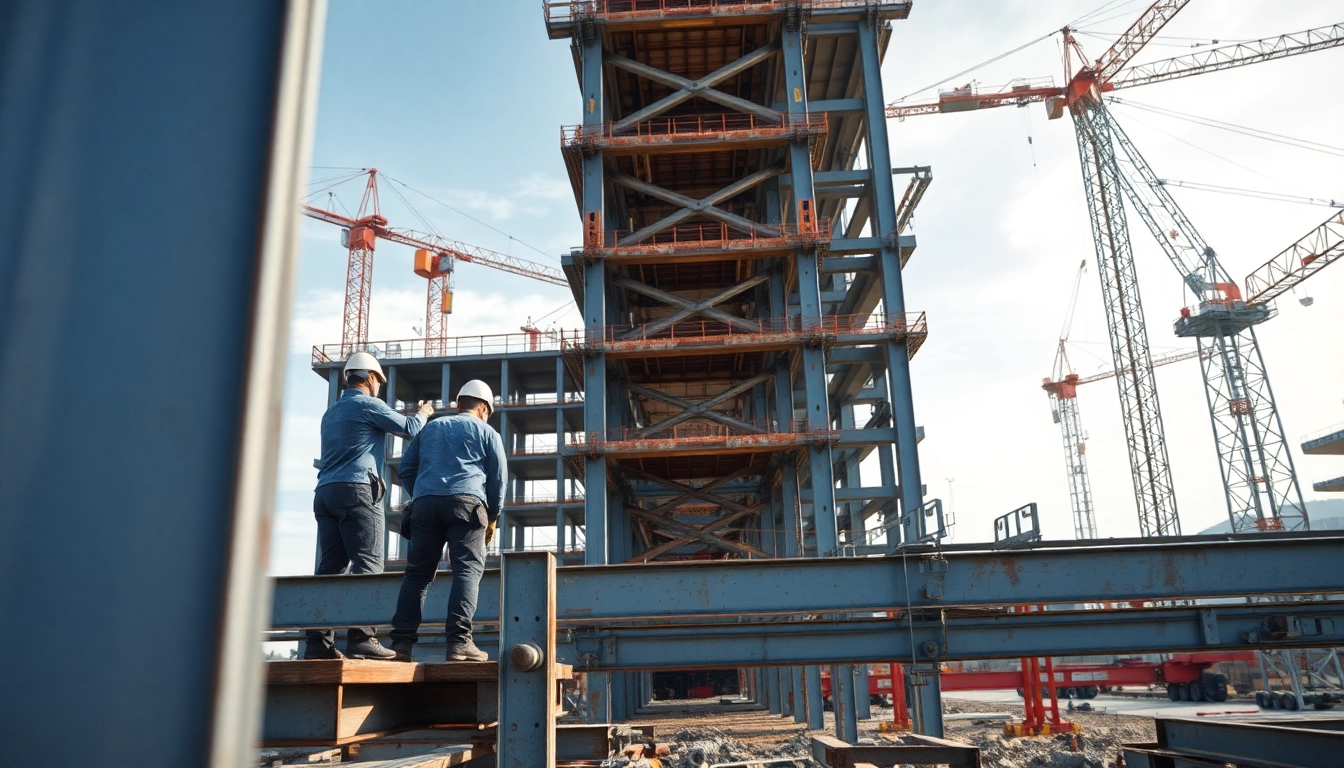
Efficient assembly and erection are crucial to ensure structural integrity. Methods such as crane lifting, bolting, and welding are utilized to construct the framework on-site. Power tools, hoists, and scaffolding are common equipment in this phase.
Best Practices for Structural Steel Construction
Safety Measures in Steel Construction
Safety is paramount in structural steel construction work, with guidelines such as:
- Regular safety drills and training for workers.
- Use of Personal Protective Equipment (PPE).
- Implementing safety protocols for high-altitude work.
Maintenance of Steel Structures
Proper maintenance ensures longevity and safety of steel structures. Regular inspections to identify rust, structural fatigue, and other potential issues are essential. Routine maintenance tasks can include:
- Cleaning to prevent rust and corrosion.
- Applying protective coatings.
- Structural assessments after extreme weather events.
Innovative Technologies in Steel Construction
With the advancement of technology, new methodologies such as Building Information Modeling (BIM) are revolutionizing structural steel construction. These technologies offer enhanced accuracy in planning and execution while saving time and costs.
FAQs about Structural Steel Construction
How is structural steel produced?
Structural steel is produced through refining iron ore in high-temperature furnaces. The process involves several stages, including melting, refining, and shaping into desired forms.
What are the advantages of using structural steel?
Advantages include high strength-to-weight ratios, durability, design flexibility, and rapid construction capabilities, making it ideal for various applications.
How do weather conditions affect structural steel?
Weather conditions can influence the selection of coatings and the design of structural elements to mitigate corrosion and ensure structural integrity under extreme temperatures.
Can structural steel be recycled?
Yes, structural steel is highly recyclable and can be reused without losing its properties, making it a sustainable construction choice.
What qualifications do structural steel workers need?
Structural steel workers typically require certifications in welding, safety training, and experience in using heavy machinery and tools for fabrication and assembly.