
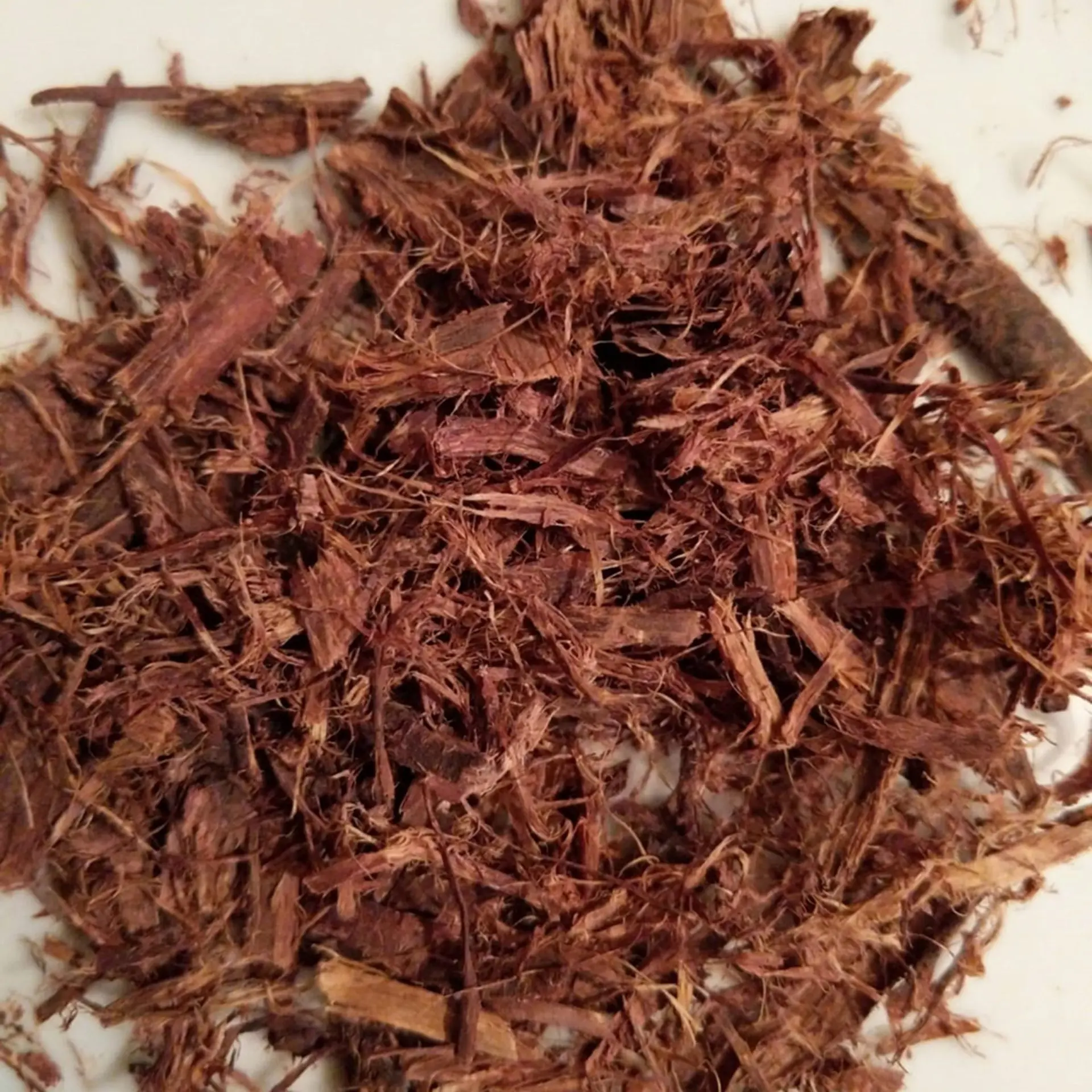
Sustainable Cutch dye has become an essential ingredient in the world of natural textile design, especially for makers who value eco-friendly methods and plant-based color sources. Its ability to create warm brown shades while supporting environmentally responsible practices makes Cutch dye a trusted choice among fabric and fiber artists. With its long history, dependable results, and compatibility with a wide range of fibers, this natural dye continues to inspire creative, earth-centered craftsmanship.
The Botanical Roots of Cutch Dye
A Time-Honored Natural Extract
Derived from the heartwood of the Acacia catechu tree, Cutch dye has been a cornerstone of natural dyeing traditions across Asia for centuries. Through a process of boiling and concentrating the wood, artisans produce a tannin-rich extract that yields beautifully warm hues. The sustainable harvesting of this plant source supports both ecological balance and traditional craft practices.
Why Tannins Make a Difference
Because Cutch dye contains high levels of natural tannins, it bonds exceptionally well with cellulose fibers. This means cotton, linen, hemp, and bamboo fabrics readily absorb and retain the color. Protein fibers such as wool and silk also achieve soft, mellow variations when dyed with Cutch dye, making the dye highly versatile for mixed-material projects.
Why Fiber Artists Choose Sustainable Cutch Dye
Eco-Friendly and Biodegradable
Natural dyers seeking alternatives to synthetic chemicals appreciate that Cutch dye is biodegradable and derived from renewable plant sources. It does not introduce harsh pollutants into waterways, making it suitable for environmentally conscious dye studios and home-based artisans who want to reduce their ecological footprint.
Warm, Natural Color Range
The color palette delivered by Cutch dye spans golden tans, warm browns, and deep earthy tones. These shades pair beautifully with minimalistic fashion, rustic home décor, and nature-inspired art. Sustainable Cutch dye gives textiles a grounded, organic depth that only plant-based dyes can achieve.
Preparing Fibers Properly
Cleaning for Best Absorption
Before applying Cutch dye, fibers must be scoured to remove waxes, oils, and manufacturing residues. Proper preparation ensures that the dye penetrates evenly and produces long-lasting color.
Mordanting for Lasting Results
Alum is the most common mordant for Cutch dye, offering warm, balanced browns. Iron deepens and cools the color, creating smoky or grey-brown effects. Cream of tartar can soften the outcome, making the dye especially useful for delicate or subtly tinted projects. Each mordant changes how Cutch dye performs, allowing fiber artists to customize their palette.
Creating and Using a Cutch Dye Bath
Hydrating and Dissolving the Extract
To prepare a dye bath, the solid extract of Cutch dye is dissolved in hot water. Letting it sit for a while improves consistency and prevents graininess. This step ensures the dye saturates the fabric smoothly without streaks or marks.
Adjusting Strength and Time
More concentrated baths produce deeper, richer browns, while lower concentrations yield soft neutrals. Working with Cutch dye gives artists the flexibility to fine-tune their results based on fabric weight, desired tone, and project purpose.
Artistic Techniques with Cutch Dye
Immersion Dyeing
Immersion dyeing is the most common method for working with Cutch dye, allowing the fiber to soak gradually and develop rich color. Slow heating and extended dyeing times help achieve a uniform and professional-looking finish.
Layering and Overdyeing
One of the most exciting ways to use Cutch dye is in combination with other natural dyes. Overdyeing indigo with Cutch dye creates muted greens and deep forest tones. When layered with madder, it produces coppery reds, russet browns, and vibrant hybrids full of character.
Surface Design Methods
Thickened Cutch dye can be used for block printing, screen printing, painting, and resist work. These applications highlight its earthy warmth and allow artists to design intricate patterns with a natural aesthetic.
Inspiring Uses for Cutch-Dyed Textiles
Wearables and Apparel
Slow-fashion makers adore the timeless palette offered by Cutch dye. From scarves and shawls to shirts, skirts, and handwoven garments, the colors contribute to comfortable, sustainable wardrobes built around natural tones.
Home Décor and Interior Textiles
Cutch dye is perfect for cushion covers, table runners, quilts, curtains, and wall hangings. The warm browns bring an inviting, grounded feel to interior spaces, making them ideal for rustic and contemporary aesthetics alike.
Fiber Art and Mixed-Media Creations
Artists who work across mediums appreciate the depth and stability of Cutch dye. Whether used on yarns, fabrics, or experimental surfaces, the dye offers consistent results that support expressive, nature-focused designs.
Caring for Cutch-Dyed Fabrics
To preserve the beauty of textiles colored with Cutch dye, wash them gently using cool water and a mild, pH-neutral soap. Allow pieces to dry in the shade to maintain color richness, especially for lighter and mid-range tones. With proper care, Cutch dye retains its warmth and vibrancy for years.
Conclusion
For fabric and fiber artists seeking sustainable, plant-based color solutions, Cutch dye offers exceptional beauty and reliability. Its warm earth tones, eco-friendly origins, and adaptability across fibers make it an essential component of natural dyeing practices. By exploring different mordants, techniques, and layering methods, you can unlock the full creative potential of Cutch dye and bring nature’s richness into every textile you make.


