
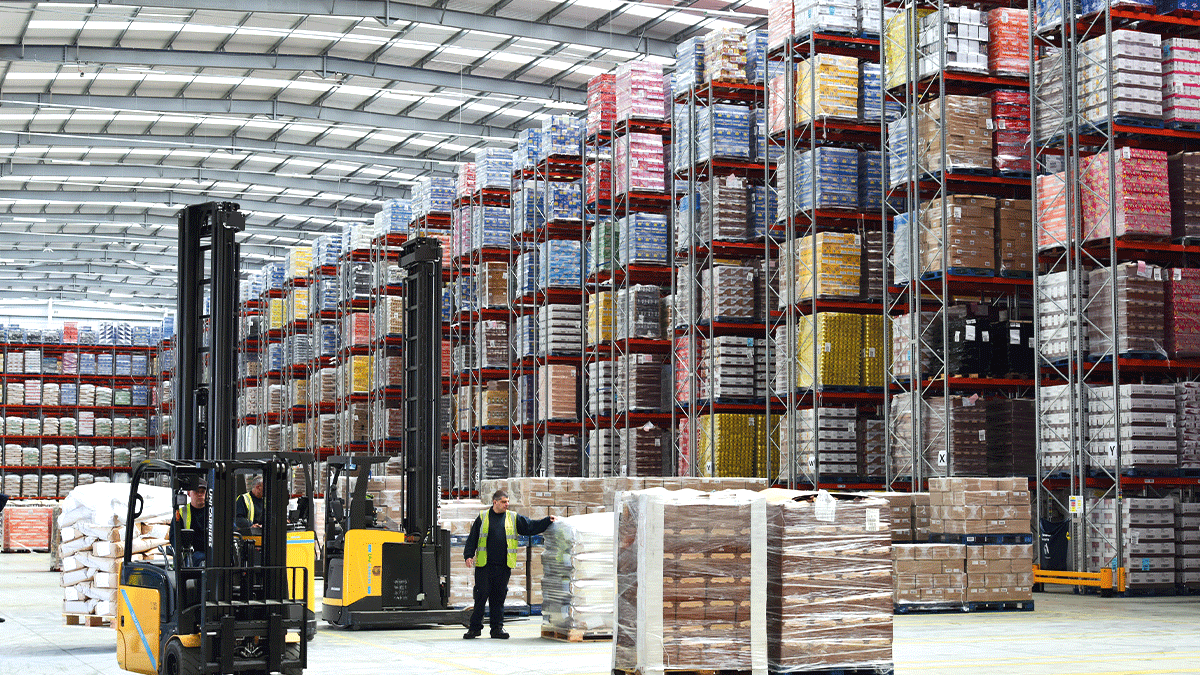
Introduction to Warehouse Functions
In the fast-paced world of logistics and supply chain management, the role of a warehouse cannot be overstated. As the backbone of distribution channels, warehouses serve as essential structures for storing goods before they are shipped to retailers, wholesalers, or directly to customers. Understanding the multifaceted aspects of warehouses, their functions, and their impact on supply chains is crucial for businesses aiming to improve operational efficiency and meet the ever-increasing demands of consumers.
What is a Warehouse?
A warehouse is a large building used for storing goods. This can include raw materials, finished products, or a mixture of both, depending on the nature of the business. Typically, they are found in strategic locations to streamline the distribution process, often situated close to major transportation hubs such as railways, ports, or highways. Warehouses can vary significantly in size and complexity, with advanced facilities employing cutting-edge technologies for inventory management and order fulfillment.
Types of Warehouses: Distribution and Fulfillment
There are several types of warehouses, each serving unique functions within the supply chain:
- Distribution Centers: These facilities are primarily geared toward the rapid distribution of products to retailers or customers. They are designed for quick turnover and often feature sophisticated sorting and packing technologies.
- Fulfillment Centers: Similar to distribution centers, fulfillment centers are focused on order processing. However, they typically cater to e-commerce businesses, providing services that include storage, picking, packing, and shipping directly to consumers.
- Cold Storage Warehouses: These specialized warehouses maintain refrigerated temperatures to store perishable goods, such as food and pharmaceuticals, ensuring they remain safe for consumer use.
- Bonded Warehouses: Controlled by customs authorities, these warehouses store imported goods that have not yet been cleared through customs. They allow businesses to defer payment of tariffs until the goods are released.
Importance of Warehousing in Supply Chain
Warehousing plays a crucial role in supply chain operations for several reasons. Firstly, it allows for the consolidation of goods from various suppliers, enabling more efficient transportation schedules and reduced freight costs. Secondly, warehouses provide a buffer against supply chain disruptions, ensuring that businesses can continue to meet customer demand even when unexpected events occur, such as natural disasters or supplier delays. Finally, effective warehousing solutions contribute to improved order accuracy and can enhance customer satisfaction through faster delivery times.
Essential Warehouse Management Systems
Defining Warehouse Management Systems (WMS)
A Warehouse Management System (WMS) is a software solution designed to optimize the management of warehouse operations. These systems assist in tracking inventory levels, order fulfillment, shipping, and receiving processes. A WMS offers real-time data and insights that are vital for managing stock levels, labor resources, and equipment usage within a warehouse.
Benefits of Implementing WMS
Implementing a WMS can yield numerous benefits, including:
- Enhanced Inventory Accuracy: By automating inventory tracking, a WMS reduces the chances of errors typically associated with manual counting, ensuring businesses have accurate stock levels at all times.
- Increased Efficiency: Automating various processes helps streamline workflows, leading to higher productivity rates and faster order fulfillment times.
- Better Space Utilization: With data on stock movement, businesses can optimize storage locations and layouts, thus maximizing warehouse space and reducing operational costs.
Key Features to Look For
When choosing a WMS, several key features should be prioritized:
- Real-time Tracking: The ability to monitor inventory levels in real-time facilitates better decision-making regarding stock replenishment and order fulfillment.
- Integration Capabilities: A WMS should seamlessly integrate with other business systems, such as Enterprise Resource Planning (ERP) software and e-commerce platforms, to ensure smooth operations across departments.
- User-Friendly Interface: An intuitive interface makes it easier for warehouse staff to navigate the system and carry out their tasks more efficiently.
Best Practices for Efficient Warehouse Operations
Inventory Control Techniques
Effective inventory control is integral to successful warehouse management. Techniques such as Just-In-Time (JIT) inventory, ABC analysis, and cycle counting can significantly enhance stock management:
- Just-In-Time Inventory: This method minimizes inventory levels by ordering goods only as they are needed in production, reducing storage costs and waste.
- ABC Analysis: This categorization method groups items based on their value and turnover rate, allowing businesses to prioritize management efforts on high-value items.
- Cycle Counting: Regularly counting a subset of inventory reduces discrepancies and identifies issues before they become larger problems.
Space Optimization Strategies
Space is often at a premium in warehouses, making optimization crucial. Businesses can employ several strategies to maximize available space:
- Vertical Storage: Utilizing vertical space by installing higher shelving can create more room for inventory, allowing for better organization and accessibility.
- Dynamic Slotting: Assigning storage locations based on product demand helps facilitate quicker picking processes.
- Cross-Docking: This approach minimizes storage time by transferring goods directly from incoming to outgoing trucks, which decreases handling costs and speeds up delivery.
Safety and Ergonomics in Warehousing
Maintaining a safe and ergonomic work environment is essential for any warehouse operation. Implementing safety protocols and ergonomic designs not only aids in compliance with regulations but also improves employee well-being and productivity. Strategies include:
- Regular Safety Training: Providing consistent training sessions to educate employees about safe lifting practices and equipment handling.
- Ergonomic Workstations: Designing workstations that minimize strain and fatigue can significantly enhance employee comfort and productivity.
- Clear Signage and Pathways: Ensuring that safety signage is visible and pathways are unobstructed can help reduce accidents.
Technology Trends Impacting Warehouses
Automation in Warehouse Management
Automation is transforming the warehousing industry, with technologies such as robotics playing a significant role. Automated systems can handle tasks ranging from picking and packing to sorting and inventory tracking. The integration of automation can lead to improved accuracy, reduced labor costs, and shorter lead times. Advances in robotics and Artificial Intelligence (AI) are enabling warehouses to operate around the clock, thus optimizing efficiency.
Using Data Analytics for Performance Improvement
Data analytics tools allow warehouses to harness vast amounts of information to drive performance improvements. By analyzing data on inventory turnover, order processing times, and labor efficiency, businesses can identify trends, forecast demand, and optimize operations accordingly. Utilizing predictive analytics can also help businesses anticipate future needs and challenges, enabling proactive decision-making.
Innovations in Warehouse Design
Modern warehouse designs are increasingly focused on sustainability and energy efficiency. Innovations such as energy-efficient lighting, solar panels, and improved insulation materials help lower operational costs and minimize environmental impact. Additionally, incorporating flexible layouts that allow for quick reconfiguration in response to changing business needs can enhance adaptability and operational efficiency.
Challenges in Warehouse Management
Addressing Labor Shortages
The warehousing industry is facing significant labor shortages, exacerbated by global events such as the COVID-19 pandemic. To attract and retain talent, companies can enhance compensation packages, provide opportunities for advancement in training, and create positive work environments that prioritize employee well-being.
Handling Supply Chain Disruptions
Supply chain disruptions can arise from various factors such as natural disasters, political instability, or logistical challenges. Companies must develop contingency plans that include diversifying suppliers, building strong relationships with logistics partners, and maintaining a cushion of inventory to weather sudden disruptions in the supply chain.
Ensuring Compliance with Regulations
Regulatory compliance is crucial for maintaining operational integrity and safety in warehouses. Companies must stay informed about local government regulations regarding health and safety standards, labor laws, and environmental impacts. Regular audits and employee training can help ensure compliance and reduce the risk of penalties or operational shutdowns.


