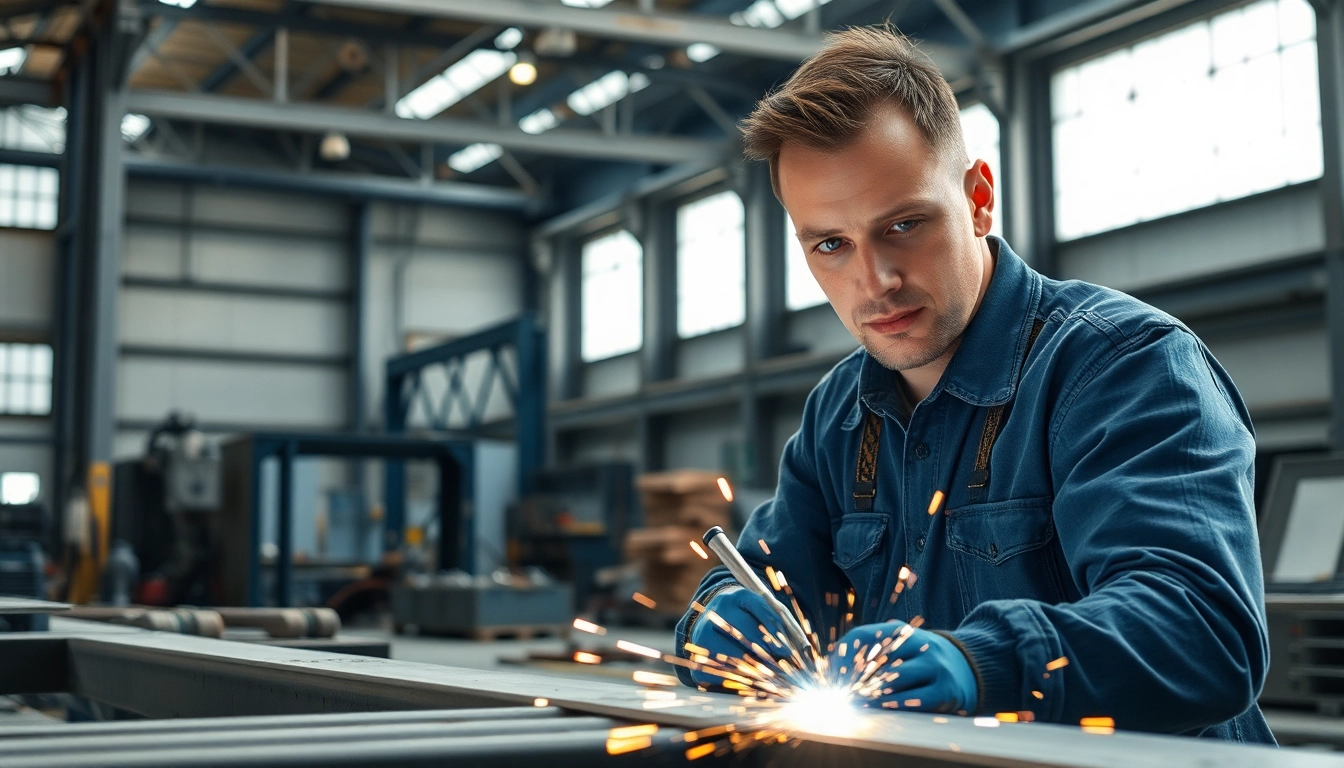






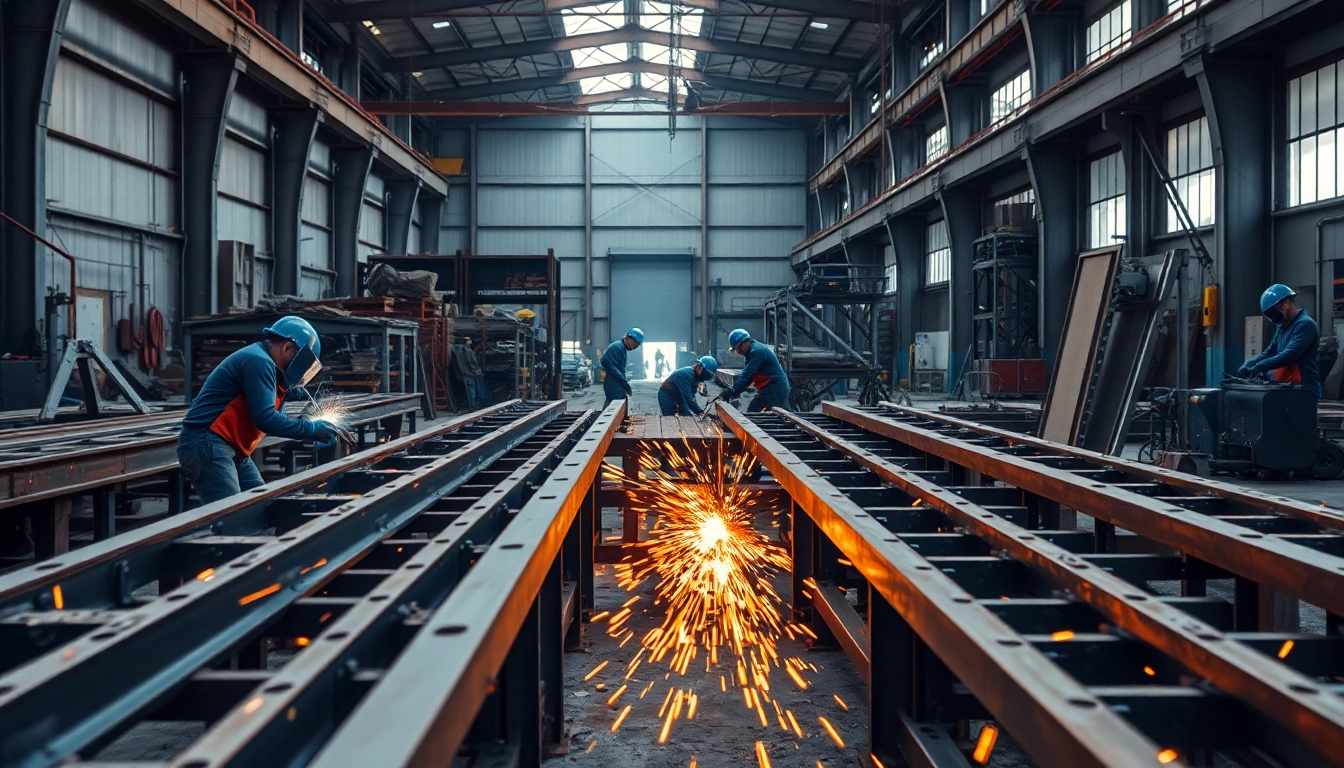
Understanding the Steel Fabrication Shop Landscape
Steel fabrication shops play a vital role in modern construction and manufacturing, providing essential structure and durability to products and buildings alike. Understanding the landscape of these shops is critical for entrepreneurs and industry professionals seeking to capitalize on the growing demand for quality steel products. The world of steel fabrication is not only about cutting and welding; it encompasses a wide range of processes and techniques that ensure the final product meets the specific requirements of various industries. As you navigate this complex environment, steel fabrication shops can serve as your partner in achieving excellence in structural integrity and design precision.
The Role of Steel Fabrication in Modern Industry
Steel fabrication serves as the backbone of numerous sectors, including construction, automotive, aerospace, and energy. This multifaceted industry involves transforming raw steel into a comprehensive range of products, from beams and girders to intricate custom parts used in machinery. The importance of steel fabrication cannot be overstated; it provides the foundational support for high-rise buildings, bridges, and other infrastructure. Moreover, with ongoing innovations in materials and techniques, the role of fabrication is evolving, presenting new opportunities for efficiency and sustainability.
Trends in Steel Fabrication Techniques
As technology progresses, so do the methods used in steel fabrication. Advanced techniques such as computer numerical control (CNC) machining and laser cutting are becoming standard practice, allowing for higher precision and reduced waste. Additionally, the integration of digital twins and virtual reality is making it easier for designers and engineers to visualize projects before they are physically constructed. These trends are indicative of a broader movement towards automation and modernization within the industry, reflecting an urgent need to improve productivity while addressing labor shortages.
Key Materials Used in Steel Fabrication
The materials selected for any fabrication project significantly influence the outcome. Steel is commonly categorized based on its composition and the properties desired, ranging from carbon steels to alloy steels. Each type of steel has unique advantages that can be leveraged in specific applications. For instance, stainless steel offers superior rust resistance, making it ideal for environments exposed to moisture. Likewise, high-strength low-alloy (HSLA) steels are popular in construction due to their enhanced mechanical properties. Understanding these materials allows for informed decision-making throughout the fabrication process.
Setting Up Your Steel Fabrication Shop
Establishing a successful steel fabrication shop requires meticulous planning, industry knowledge, and a well-thought-out approach to operations. From selecting the right equipment to ensuring compliance with safety standards, each element contributes to the efficiency and effectiveness of your shop.
Essential Equipment for a Steel Fabrication Shop
Every steel fabrication shop needs a diverse array of machinery to perform various tasks. Essential equipment includes laser cutting machines, plasma cutters, welding stations, and bending machines. Each tool serves a unique purpose and greatly affects the quality of the fabricated products. Furthermore, investing in advanced equipment, such as automated robots for welding or material handling, can streamline operations and enhance precision. A detailed inventory and careful selection of machinery lay the foundation for a productive fabrication environment.
Designing the Shop Layout for Efficiency
The layout of your fabrication shop can radically influence workflow and employee productivity. When designing your space, consider the flow of materials and workers. Create distinct zones for cutting, welding, assembly, and finishing to minimize congestion and enhance safety. Effective shop design incorporates ergonomic principles, allowing workers to operate equipment comfortably and efficiently. Additionally, implementing a system for inventory management and waste reduction can further bolster performance in the facility.
Safety Standards and Compliance in Fabrication
Safety must be a top priority in any steel fabrication shop. Compliance with OSHA regulations and other industry standards is crucial to prevent workplace injuries and maintain a productive atmosphere. This includes ensuring proper ventilation, providing personal protective equipment (PPE), and conducting regular safety training for all employees. A robust safety culture not only protects workers but also enhances overall productivity and reduces downtime caused by accidents.
Best Practices for Metal Fabrication
Adopting best practices in metal fabrication contributes to high-quality outcomes and customer satisfaction. From the initial design phases to final inspections, having a clear strategy can mitigate errors and ensure the fabrication of superior products.
Techniques for Quality Assurance and Control
Quality assurance (QA) in steel fabrication encompasses all activities aimed at improving the processes related to production. Techniques such as standardized inspections, material traceability, and adherence to certifications can significantly enhance QA efforts. Implementing a rigorous testing regimen that includes non-destructive testing (NDT) methods ensures that the integrity of the steel components is maintained throughout the fabrication process.
Common Challenges in Steel Fabrication and Solutions
The fabrication environment is not without its challenges. Common issues include equipment malfunctions, inaccuracies in measurements, and supply chain disruptions. Addressing these challenges requires proactive management and a well-prepared workforce. Regular maintenance of equipment helps prevent breakdowns; adopting lean methodologies can minimize waste and improve measurement systems, leading to more accurate results. Open communication with suppliers is also crucial to navigating supply chain complexities.
Implementing Lean Manufacturing Practices
Lean manufacturing principles can significantly benefit steel fabrication shops by enhancing efficiency and reducing waste. Applying tools such as cell production, just-in-time delivery, and continuous improvement initiatives can streamline operations and optimize workflow. Lean practices facilitate an environment that encourages innovation while promoting collaboration among teams, resulting in a more responsive and effective fabrication shop.
Marketing Your Steel Fabrication Services
Effectively marketing your steel fabrication services is essential for attracting clients and building a sustainable business. Understanding your audience and implementing the right strategies can differentiate your shop from competitors.
Identifying Your Target Market
Knowing your target market is fundamental to successful marketing. Determine which industries your fabrication services cater to—construction, automotive, aerospace, or others. Conduct market research to understand the needs and pain points of potential customers, helping tailor your services and messaging effectively. Identifying potential markets allows you to allocate resources efficiently and focus on segments with the highest return on investment.
Effective Strategies for Online Marketing
In today’s digital landscape, online marketing is crucial for visibility. Creating a professional website that showcases your services and expertise is essential. Moreover, leveraging SEO strategies to increase your website’s ranking for keywords related to steel fabrication can drive traffic. Engaging in social media marketing, email campaigns, and content creation—such as case studies or blog posts—can effectively engage your audience and position your shop as a thought leader in the industry.
Building Relationships Through Networking and Referrals
Networking remains a powerful tool for generating leads in the steel fabrication industry. Building relationships with contractors, architects, and other industry professionals can result in favorable referrals and ongoing collaborations. Attend industry conferences, trade shows, and local business events to establish connections and showcase your expertise. Encourage satisfied clients to share their experiences, providing you with testimonials and referrals that enhance your credibility and attract new business.
Future Technologies in Steel Fabrication
The future of steel fabrication is being reshaped by emerging technologies that enhance efficiency, quality, and sustainability. Staying ahead of these advancements can position your shop favorably in a competitive marketplace.
Integration of Automation and Robotics
Automation is revolutionizing the steel fabrication industry, allowing for improved precision and reduced labor costs. Robotic systems can perform repetitive tasks, such as welding and material handling, with exceptional accuracy while minimizing human error. Integrating these systems into your shop can lead to significant productivity improvements, better allocation of human resources, and increased capacity to meet customer demands.
Additive Manufacturing in Steel Fabrication
Additive manufacturing, or 3D printing, is gaining traction within the steel fabrication sector. This technology enables the creation of complex geometries that are challenging to achieve through traditional fabrication methods. By utilizing additive manufacturing, shops can innovate designs with less material, reduce lead times, and enable rapid prototyping. As the technology matures, its application in producing steel components will likely expand, opening new avenues for creativity and efficiency.
Environmental Considerations and Sustainable Practices
The increased focus on sustainability is urging steel fabrication shops to adopt environmentally friendly practices. This includes utilizing recycled materials, improving energy efficiency, and minimizing waste during production processes. Shops can also pursue certifications, such as LEED (Leadership in Energy and Environmental Design), which appeal to eco-conscious clients. Sustainable practices not only benefit the planet but can also lead to cost savings and enhanced brand reputation in the marketplace.